The most common advice for nausea on Ozempic and Zepbound is to eat crackers, toast, or plain rice. And while these foods settle the stomach, they supply far too little protein, which accelerates the muscle loss that already accounts for 25% to 40% of GLP-1 weight loss. The better strategy: soft, protein-forward foods in small portions with minimal cooking smells, eaten slowly, prioritizing protein density over volume.
First, the reassurance: the nausea comes from the medication, not from anything you're doing wrong. The drug slows your stomach and signals your brain's nausea center directly, so food can't switch it off. But the right foods make it noticeably better, and the wrong ones make it worse.
Who this guide is for (and who it isn't)
This guide is for you if you're currently taking semaglutide (Ozempic, Wegovy) or tirzepatide (Zepbound, Mounjaro) and experiencing mild to moderate nausea. It's designed for people who want practical food strategies that protect protein intake while managing stomach discomfort, and who are looking for evidence-based dietary adjustments rather than home remedies or medication changes.
This guide isn't for you if your nausea is severe enough to prevent you from keeping fluids down for more than 24 hours, in which case you should call your doctor. It's also not intended for anyone experiencing sharp abdominal pain, persistent vomiting, or signs of dehydration such as dark urine, dizziness, or rapid heartbeat. If you're not currently on a GLP-1 medication and are experiencing unexplained nausea, this guide doesn't apply.
Why Ozempic and Zepbound cause nausea (and when it peaks)
Both semaglutide (Ozempic, Wegovy) and tirzepatide (Zepbound, Mounjaro) activate GLP-1 receptors in two places: the gut wall, where the signal slows gastric emptying so food sits longer in the stomach before moving into the small intestine, and the area postrema in the brainstem, which is the brain's primary nausea center. Tirzepatide also activates GIP receptors (glucose-dependent insulinotropic polypeptide receptors). This dual-receptor action is why tirzepatide tends to produce faster weight loss, but it also comes with a higher initial nausea rate in clinical trials.
“Many people experience some degree of nausea when starting a GLP-1 medication because the medication slows the rate at which your stomach empties and sends satiety signals to your brain. It can take a little time for your body to adjust.”
— Dr. Rocio Salas-Whalen, WeightlessThe nausea data from the two largest trial programs gives a clearer picture of how common this side effect actually is:
Semaglutide: In the STEP 1–3 trials (Semaglutide Treatment Effect in People with obesity), the Phase 3 program by Novo Nordisk that led to Wegovy's FDA approval (3,377 participants), 43.9% reported nausea versus 16.1% on placebo. Nausea is mostly mild to moderate during dose escalation, and only 4.3% discontinued due to GI effects (Wharton et al., 2022).
Tirzepatide: Across the SURPASS 1–5 trials, the Phase 3 program by Eli Lilly that tested tirzepatide for type 2 diabetes (6,263 participants), nausea was reported at 12% to 24% depending on dose. GI effects accounted for less than 6% of the weight difference (Frias et al., 2023).
For most people, the nausea is temporary. As Dr. Salas-Whalen writes: “You don’t have to suffer to lose weight. If a side effect is severe or disruptive or lasts more than two weeks, it’s a good idea to check in with your doctor.” She also notes that “vomiting is never a normal or expected side effect of GLP-1s,” so if you're vomiting regularly, that's a reason to call your prescriber, not to adjust your diet.
How long does the nausea last?
Most patients experience peak nausea during the first 4–8 weeks, with each dose increase restarting a milder wave that typically lasts 1–2 weeks. Think of the trajectory as a sawtooth: each dose step restarts a milder version, and the overall trend slopes downward. The reaction is also dose-dependent, so many people feel little to none on the low starting dose; it's usually the step up to a higher dose, not the medication alone, that triggers a fresh wave, though individual response varies. Across the Phase 3 STEP trials, 95.7% stayed on treatment despite GI symptoms, and weight loss was nearly identical with or without nausea (Wharton et al., 2022). If nausea persists beyond 8 weeks at a stable dose, your prescriber can discuss slower titration or temporary dose reduction.
| Stage | Pattern | Action |
|---|---|---|
| Weeks 1–2 | Peak nausea, 24–48 hrs post-injection | Protein-forward foods that don’t smell strong; 4–6 small meals, reduce high-fat foods |
| Weeks 3–8 | Milder waves with dose increases | Reintroduce warm foods; track triggers |
| Months 3+ | Little/no nausea; 95.7% stay on treatment | Normal patterns; maintain protein targets |
Source: Wharton et al., 2022.
The hidden problem with the “eat bland foods” advice
Most nausea guides lead with the same list: crackers, toast, bananas, rice. Some mention lean protein as a secondary step, but none quantify what happens when a nauseous GLP-1 patient fills their limited appetite with those bland carbs instead: they consume well below the protein threshold their body needs to preserve muscle.
Across GLP-1 body-composition sub-studies, roughly 25% to 40% of the weight lost comes from lean mass (Mayo Clinic, 2026; Tinsley & Nadolsky, 2025), which is why protein matters so much while your appetite is suppressed. Guidelines recommend 1.2–2.0 g/kg/day versus the standard 0.8 g/kg (Jäger et al., JISSN, 2017; Johnson et al., JISSN, 2025).
To see how dramatic the difference is, compare a full day of BRAT foods against a day built around the same stomach-friendly principles but with protein as the priority:
| Standard BRAT Day | Protein-Forward Nausea Day | |
|---|---|---|
| Breakfast | 2 slices toast + ½ banana (3.5 g) | 170 g Greek yogurt + ½ banana (17.7 g) |
| Snack | 6 saltines (1.4 g) | 1 cup bone broth (6–10 g) |
| Lunch | 1 cup rice + applesauce (4.8 g) | 85 g chicken + ½ cup rice (30 g) |
| Snack | 1 banana (1.3 g) | ½ cup cottage cheese + ½ banana (15 g) |
| Dinner | 1 cup rice + 1 banana (3.4 g) | 85 g salmon + zucchini (22 g) |
| Total | ~14 g | ~91–95 g |
Source: USDA FoodData Central; target per Jäger et al., JISSN, 2017.
Dr. Gabrielle Lyon, author of Forever Strong, frames this tradeoff: “The fewer calories you consume, the more these calories should come in the form of dietary protein.” She explains that when protein is scarce, your body prioritizes organs first—liver, heart, brain, kidneys, GI tract—and muscle is sacrificed last. On a GLP-1, where daily intake can drop by a quarter or more, that prioritization means muscle is the first thing your body gives up.
In clinical practice, Dr. Salas-Whalen recommends a minimum of 100 g of protein per day to preserve existing muscle mass while on a GLP-1 (Weightless). That means every meal has to work harder when your appetite is smaller. The foods in the next section are chosen specifically for that job. (For more on the muscle-loss mechanism, see GLP-1 and Muscle Loss. For the complete nutrition framework, start with What to Eat on a GLP-1.)
10 best foods for Ozempic and Zepbound nausea (with protein per serving)
These foods share three properties: soft or mild smelling (strong food smells are one of the most common nausea triggers while on a GLP-1), low in fat (fat slows gastric emptying further on top of the medication), and protein-forward (protects lean mass while appetite is suppressed).

Plain Greek yogurt (0% fat)
170 g
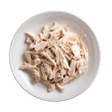
Poached/shredded chicken
85 g

Bone broth
240 ml

Cottage cheese (low-fat)
113 g
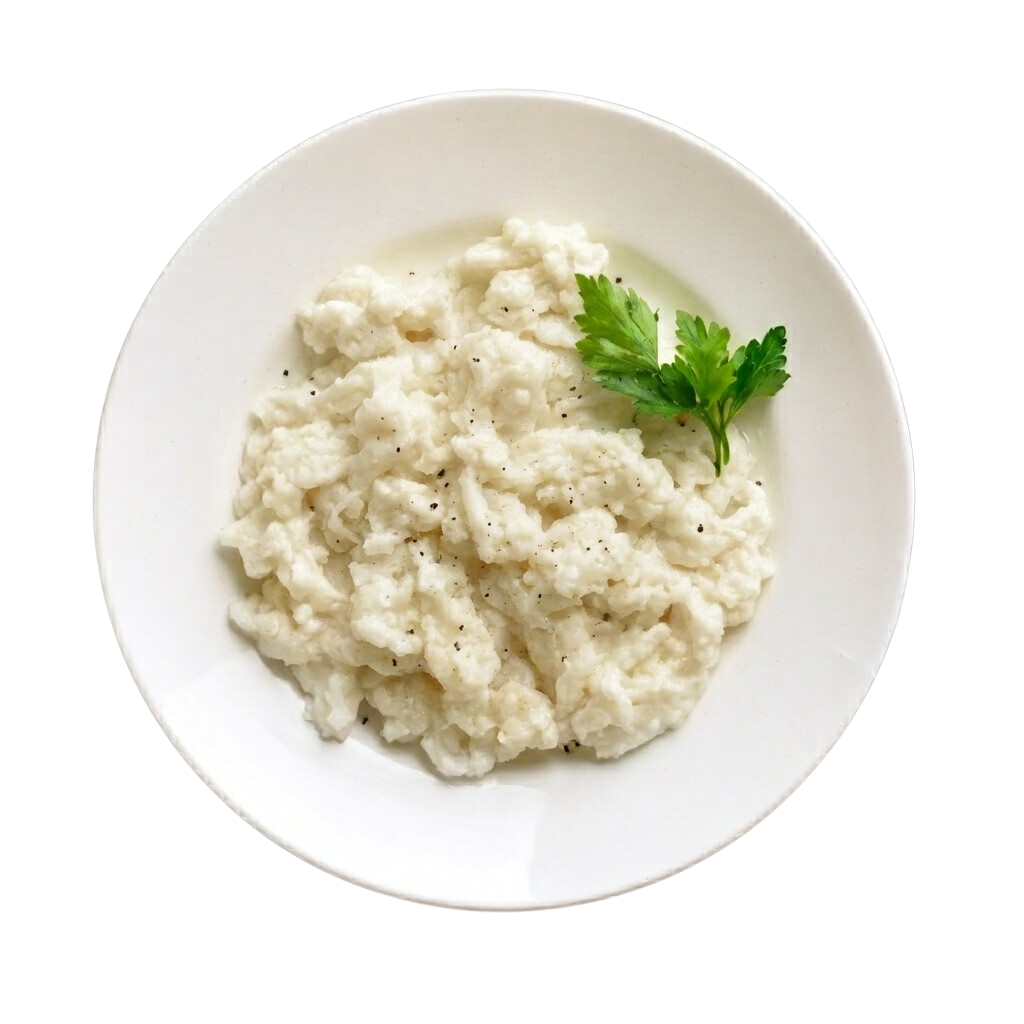
Scrambled egg whites
4 large
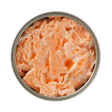
Poached/canned wild salmon
85 g
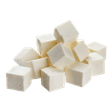
Chilled silken tofu
150 g

Fresh ginger (in water/broth)
1–2 g
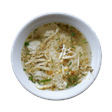
Rice + broth combo
½ cup + 1 cup
Source: USDA FoodData Central. Ginger: Nikkhah Bodagh et al., 2019.
These foods cluster around the same formula: a lean protein combined with a mild starch or broth. That combination settles the stomach while still delivering meaningful protein per bite. If even this level of prep feels like too much on your worst nausea days, the 5-meal framework later in this guide simplifies it further.
A note on ginger
Ginger appears in the table because it has the strongest food-derived evidence for nausea relief, seen in pregnancy, chemo, and post-op contexts, not GLP-1 specifically. A 2019 systematic review found 1,500 mg/day in divided doses reduced nausea across multiple causes (Nikkhah Bodagh et al., 2019). The active compounds, gingerols and shogaols, inhibit 5-HT3 receptor signaling, the same receptor system targeted by ondansetron (Zofran), but through a different binding mechanism (Abdel-Aziz et al., 2006).
In practical terms, that means grating about 1 teaspoon of fresh ginger into hot water or bone broth, 2–3 times per day, is one of the simplest things you can add that might help you manage your nausea. Ginger chews and tea bags work too, but avoid ginger ale as most brands contain negligible real ginger alongside sugar and carbonation, both of which can worsen nausea.
What foods to avoid on Ozempic and Zepbound
GLP-1 medications slow gastric emptying, meaning food stays in your stomach longer than usual. One imaging study found that four hours after a meal, semaglutide users still retained 37% of stomach contents versus none in the placebo group (Jensterle et al., 2023). Because your stomach is already working more slowly, certain foods make nausea worse by adding to the burden: high-fat foods further slow digestion, carbonated drinks increase gastric pressure, spicy foods stimulate acid production, and strong aromas can trigger the nausea center in your brainstem, which is already on high alert from the medication (GoodRx, 2026). Note that these aren't permanent restrictions. Most patients gradually reintroduce these foods at their maintenance dose.
| Avoid | Why | Swap with |
|---|---|---|
| Fried/greasy foods | Fat slows digestion further on top of the medication | Poached, baked, steamed proteins |
| Creamy sauces, heavy cheeses | High fat density + strong smells | Low-fat cottage cheese or yogurt |
| Spicy food | Capsaicin stimulates gastric acid | Mild herbs: ginger, mint, basil |
| Carbonated drinks | Gas adds pressure to a stomach already emptying slowly | Still water, ginger water, electrolytes |
| Very sweet foods/drinks | Rapid glucose swings may worsen nausea | Whole fruit in small portions |
| Alcohol | Disrupts glucose control, dehydrates | Still water with lime |
| Large meals | Overfilling a slow stomach is one of the most commonly reported triggers | 4–6 smaller meals every 2–3 hrs |
How to eat when nothing sounds good
Although you now know the foods that work, on some days—especially in the first two weeks of a new dose or 24–48 hours post-injection—the mere idea of food triggers nausea rather than relieves it. On those days, the instinct is to skip eating or reach for bland carbs. Both choices cost you protein you can't afford to lose.
The framework below breaks the day into five small meals that hit the 1.2 g/kg protein target without a single large portion or any cooking. The logic: if you can manage one spoonful, make it count. Greek yogurt at 17 g per serving is a better first spoonful than a saltine at 0.2 g. Even three of five meals gives ~37 g protein, far better than crackers all day (under 5 g).
| Meal | What to eat | Protein | Why |
|---|---|---|---|
| Wake | 170 g Greek yogurt with berries, 1 tsp chia, and a drizzle of honey | 17 g | No cooking, no strong smell; the toppings make it easy to get down |
| Mid-morning | 1 cup bone broth | 6–10 g | Warm liquids tolerated when nausea peaks |
| Lunch | 85 g chicken + ½ cup rice + bone broth | ~38 g | Broth adds protein and warmth; stop at first fullness |
| Afternoon | ½ cup cottage cheese + ½ banana | 15 g | Straight from the fridge; no prep |
| Evening | 85 g salmon + zucchini | 22 g | Light, low fat |
| Day total | ~98–102 g | Hits 1.2 g/kg for 77 kg |
Source: USDA FoodData Central.
Timing tips that reduce nausea
Beyond what you eat, how and when you eat also matters. Here are strategies that can help:
- Separate food and fluids. Drink 30–60 minutes before or after eating, not during. Liquid plus food in a slow stomach increases pressure.
- Eat upright, stay upright for 30+ minutes after meals.
- Consider injection timing. Some patients inject before bed so the initial peak passes during sleep. However, this is based on anecdotal stories; discuss it with your prescriber.
- Minimize cooking smells. On peak nausea days, skip stovetop cooking entirely. Foods that are ready to eat, gently reheated, or served at room temperature produce far less smell than meals cooked from scratch.
- Track triggers. A 7-day food + symptom journal turns vague discomfort into patterns.
Why Methodology Sustain GLP-1 was built for exactly this problem
Everything in this guide points to the same tension: your body needs more protein while on a GLP-1, but nausea makes it harder to eat. That is the specific problem Sustain GLP-1 was built to solve.
Protein you need, without the cooking that triggers nausea
Sustain GLP-1 delivers 35–50 g protein per meal and 100–140 g daily. Meals are fully cooked and heat in under 5 minutes. Portions are calorie-controlled and contain zero gluten, dairy, refined sugar, or seed oils.
Methodology is the only US meal delivery service whose meals were the clinical intervention in a peer-reviewed randomized crossover trial published in the American Journal of Clinical Nutrition (Gardner et al., 2022). Participants lost 7%–8% of body weight per phase, and had about 34% higher dietary adherence vs self-prepared food (Landry et al., 2021). Adherence matters because nausea is one of the most common reasons GLP-1 patients undereat.
See How Sustain GLP-1 WorksNew to eating on a GLP-1? Start with What to Eat on a GLP-1, and to hit your daily protein target, see How to Eat 100g of Protein a Day on a GLP-1.
Frequently asked questions
What is the best food to eat when nauseous on Ozempic?
Soft, protein-rich foods are the best choice because they settle the stomach while still delivering meaningful protein. Greek yogurt provides 17 g per 170 g serving while bone broth delivers 6–10 g per cup. Avoid hot, greasy, or strongly scented foods, which can make nausea worse by further slowing gastric emptying (Wharton et al., 2022).
Does Zepbound cause more nausea than Ozempic?
Clinical trial data show overlapping ranges, making a simple comparison difficult. Semaglutide nausea occurred in 43.9% of participants in its Phase 3 trials, while tirzepatide ranged from 12% to 24% across its own Phase 3 program. A 2025 meta-analysis found tirzepatide had a higher overall nausea risk when compared head-to-head, though individual response varies significantly (Chen et al., 2025).
Can I take anti-nausea medication with Ozempic or Zepbound?
Many over-the-counter options are compatible with GLP-1 medications, though some antacids can worsen constipation. Ondansetron (Zofran) is sometimes prescribed for more severe nausea. You should always check with your prescriber before adding any medication to your regimen.
Is the BRAT diet good for Ozempic nausea?
The BRAT diet can help as a short-term bridge during acute nausea episodes, but it's far too low in protein for sustained use while on a GLP-1. A full BRAT day delivers roughly 14 g of protein, which falls well short of the recommended floor. Transition to protein-forward options within 1–2 days.
Why is protein important when nauseous on a GLP-1?
Across GLP-1 body-composition sub-studies, roughly 25% to 40% of the weight lost comes from lean mass (Mayo Clinic, 2026; Tinsley & Nadolsky, 2025). Clinical guidelines recommend 1.2–2.0 g/kg/day, which is roughly double the standard recommendation. Dr. Salas-Whalen recommends at least 100 g per day in clinical practice (Weightless). Filling your limited eating capacity with bland carbs accelerates muscle loss at the moment your body needs more protein, not less.
When should I call my doctor?
You should contact your prescriber if nausea prevents you from keeping fluids down for more than 24 hours, if you experience severe or persistent vomiting, if you notice signs of dehydration such as dark urine or dizziness, or if your nausea doesn't improve after 8 weeks at a stable dose.
Can I eat Methodology meals when nauseous?
Yes, Sustain GLP-1 meals are designed to support your nutrition at this time. Each meal delivers 35–50 g of protein and is fully cooked. All meals are made with zero gluten, dairy, refined sugar, and seed oils.
What time should I take Ozempic?
There's no official recommendation on timing, but some patients report less daytime nausea when they inject before bed since the initial drug peak occurs during sleep. This is anecdotal rather than clinical, so discuss timing with your prescriber.
- Wharton S, et al. Diabetes, Obesity and Metabolism, 2022. doi:10.1111/dom.14551.
- Frias JP, et al. Diabetes Care, 2023. PubMed 37853960.
- Jäger R, et al. Journal of the International Society of Sports Nutrition, 2017. PMC5477153.
- Nikkhah Bodagh M, et al. Food Science & Nutrition, 2019. PMC6341159.
- Abdel-Aziz H, et al. European Journal of Pharmacology, 2006.
- Gardner CD, et al. American Journal of Clinical Nutrition, 2022. PMC9437985.
- Landry MJ, et al. Nutrients, 2021. PMC8002540.
- Chen Y, et al. Frontiers in Pharmacology, 2025. PMC12491879.
- Salas-Whalen R. Weightless. Amazon.
- Jensterle M, et al. Diabetes, Obesity and Metabolism, 2023.
- USDA FoodData Central.
- Johnson B, et al. Suboptimal protein intake for hypocaloric diet needs while using GLP-1 receptor agonists. Journal of the International Society of Sports Nutrition, 2025. PMC12419545.
- Mayo Clinic. GLP-1 medications and muscle loss: what to know about nutrition and supplements, 7 April 2026.
- Tinsley GM, Nadolsky S. Preservation of lean soft tissue during weight loss induced by GLP-1 and GLP-1/GIP receptor agonists: a case series. SAGE Open Medical Case Reports, 2025. PMC12536186.
- GoodRx. Foods to avoid on GLP-1s, 2026.
- Lyon G. Forever Strong: A New, Science-Based Strategy for Aging Well. Atria Books, 2023.